
Mother
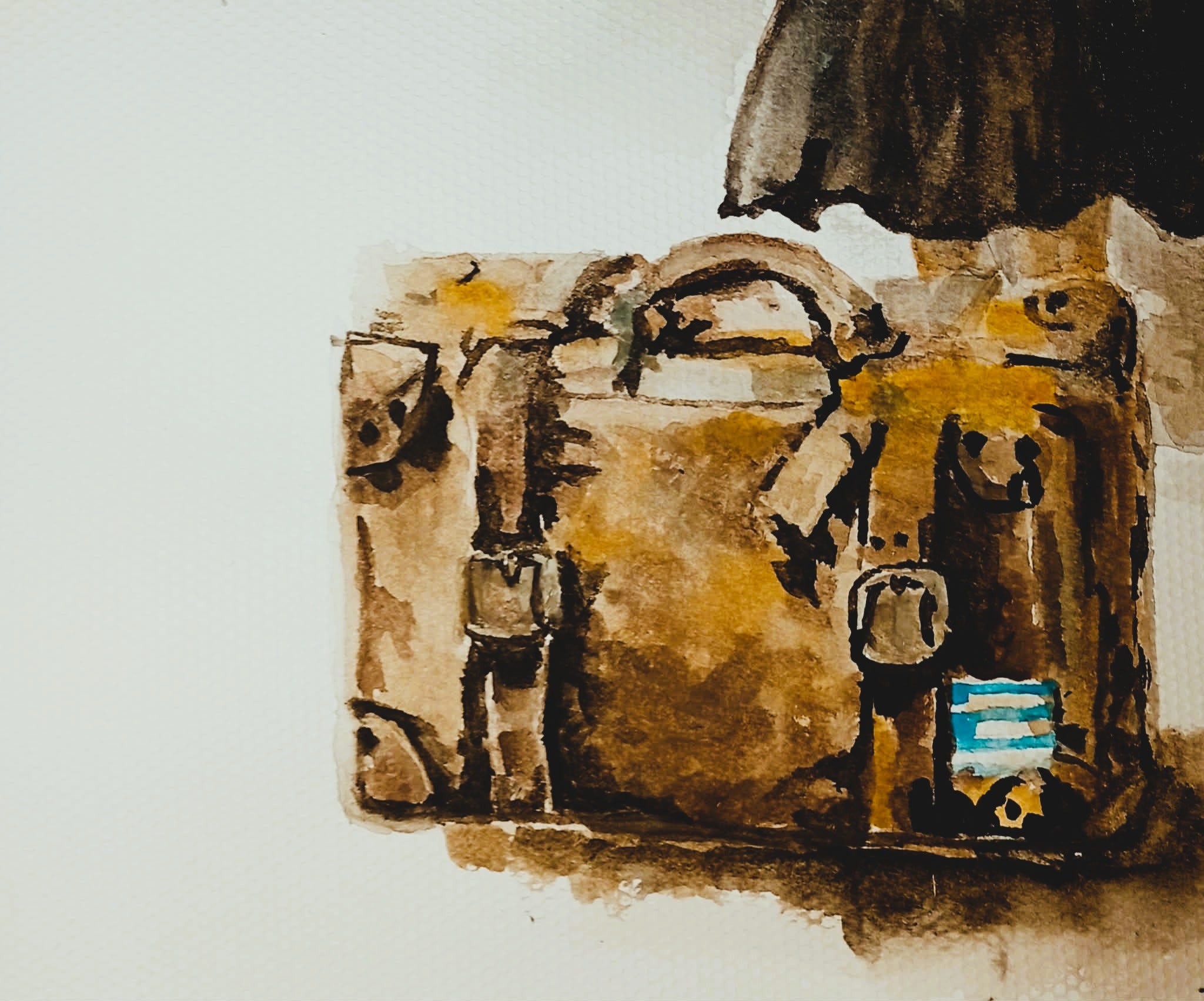
The suitcase.

Mother
She left with a suitcase too small and still almost empty. Inside it lay a spare dress, a second blouse, and a black and white photograph of her and her siblings, wrapped in the same brown paper that once held beans for a family meal. The paper had already served its first purpose. Now it would serve another.
The village did not protest. It had learned how to fold absence into stone and continue. This was not the first departure born from an inescapable longing for life beyond the hills.
But this leaving carried a different weight. These were not young men pulled toward war or swallowed by anger. These were women in sensible shoes and Sunday skirts. Dry bread rolls pressed into their pockets. Letters clutched in their hands, the paper thinned by tears, promising a bed in a distant family member’s rented house, a position in a factory, a beginning born of need, not adventure.
Parents leaned close to whisper, “Don’t forget who you are.”
Brothers held on longer than usual.
In the new country, identity loosened quickly. Names bent under foreign tongues. Accents hardened or softened depending on the room. Memory grew sharp. The real danger lived there, in the quiet replay of courtyards and olive trees and the weight of a mother’s palm against the cheek.
To migrate required a quiet violence against one’s own roots. They lifted themselves from soil that knew their names and tried to press those roots into ground that resisted them. They accepted that their mothers would age in their absence. That their fathers would grow thinner. That olive trees would bear fruit without their hands to gather it.
There was numbness in leaving. Beneath it, a restrained anger. When counting mouths at the table, daughters were calculations. Their bodies were futures, their futures negotiable. Factories across oceans asked for hands. Villages asked for dowries and land. The arithmetic favored departure.
Somewhere between the dock and the open water, they crossed a threshold. They were no longer daughters; they became the mothers of survival.
“I won’t forget,” they promised, their voices steady enough to soothe the ones who stayed behind.
On buses that rattled across dust, on ships that groaned through weeks of water, they repeated tapestry instructions and recipes to one another. Measurements without cups and instructions without paper. The words rose and fell with the movement of the sea. Carried outward, scattered across continents.
From these women came cities layered with memory. Kitchens thick with oregano and steam. Children who learned two lullabies before they learned to read. Grandchildren who would pronounce their names with softened consonants and inherited pride.
The diaspora began with a woman who stepped forward while everything familiar remained still.
She carried more than a small, half-empty suitcase. She carried continuity.
What a beautiful story! These women are the stock we are made of and we are grateful for their suffering and strength. And what a telling tale of great relevance today.
I felt the weight of this—that decision born of need as you named it. Poetically told, Eleni. Beautiful.